
The university block of Australia’s Royal Commission into Antisemitism and Social Cohesion is designed to provide a platform for pro-Israel students to denounce the Palestine solidarity movement on Australian university campuses.
So lawyers at the commission thought they were going to “gotcha” Yasmine Johnson, a Jewish student, socialist and one of the national coordinators of Students for Palestine. But by remaining steadfast, she made them look foolish. Her written testimony noted:
My family history is part of what has compelled me to join and stay involved with the fight for Palestine, alongside a general progressive belief in a world without genocide, apartheid and ethnic cleansing. I’m appalled by the idea that the atrocities of the Holocaust—the systematic annihilation of Jewish lives which left my grandmother, like so many others, without remaining family—justify any of Israel’s current actions. The legacy of the historic injustices perpetrated against Jews, the mark of which has been left on my family, has strengthened my resolve to oppose genocide wherever it takes place.
Watch Yasmine being cross-examined
Red Flag’s coverage of the royal commission and more
 Sarah Garnham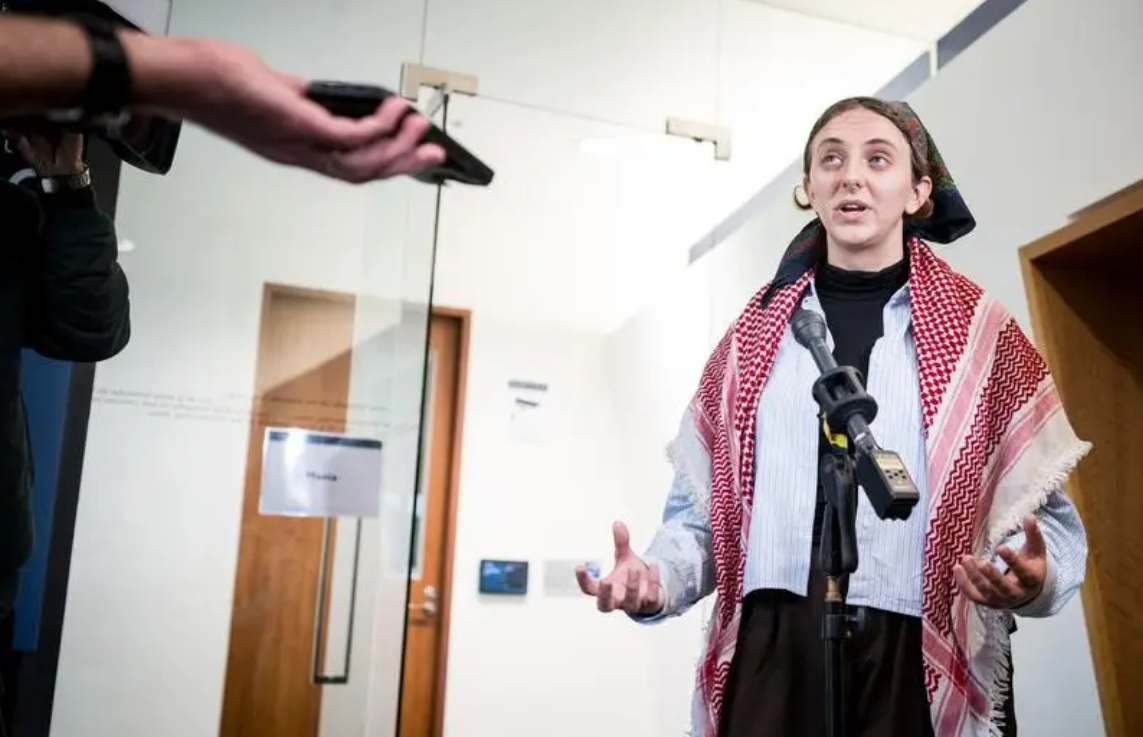
 Ben Hillier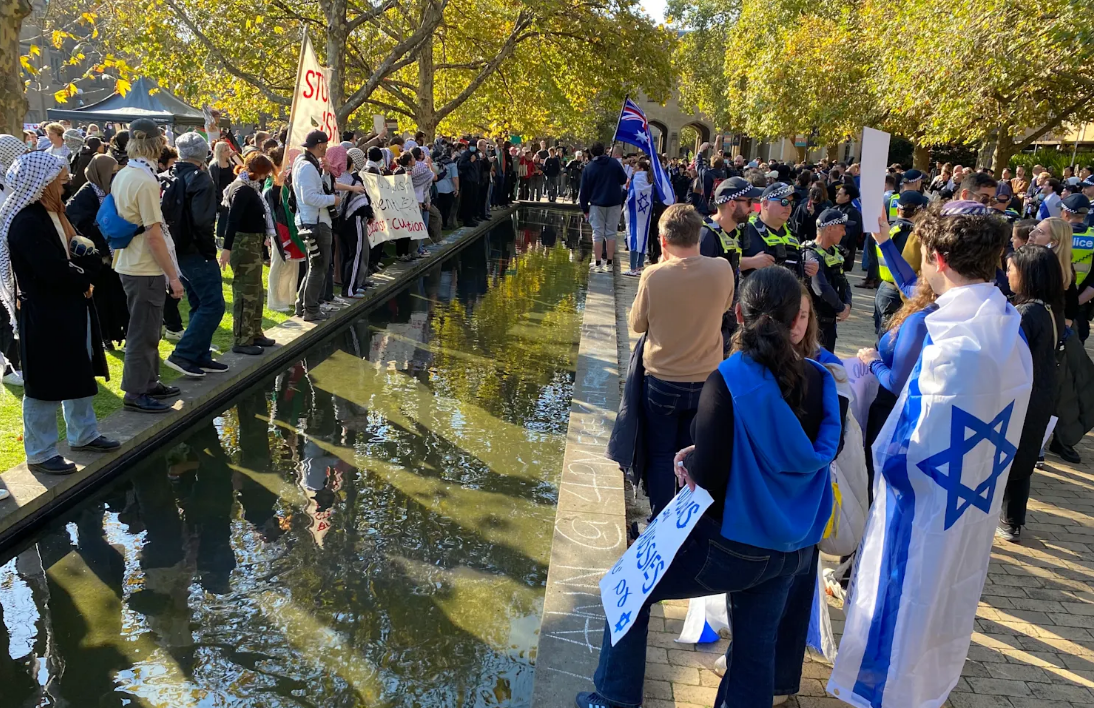
 Yasmine Johnson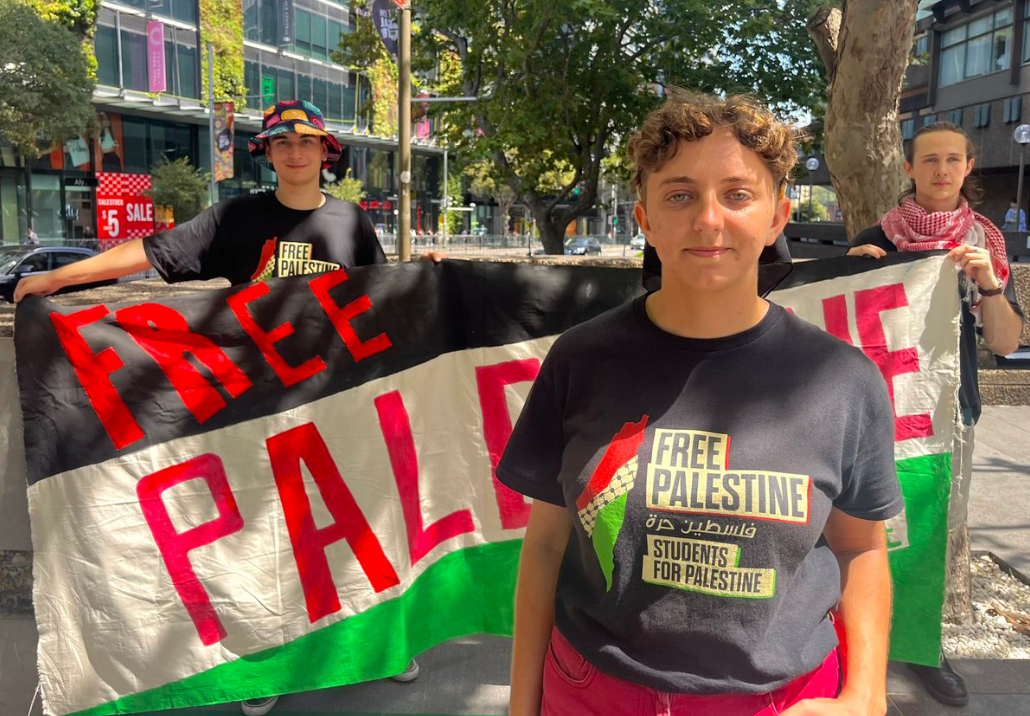
 Jasmine Duff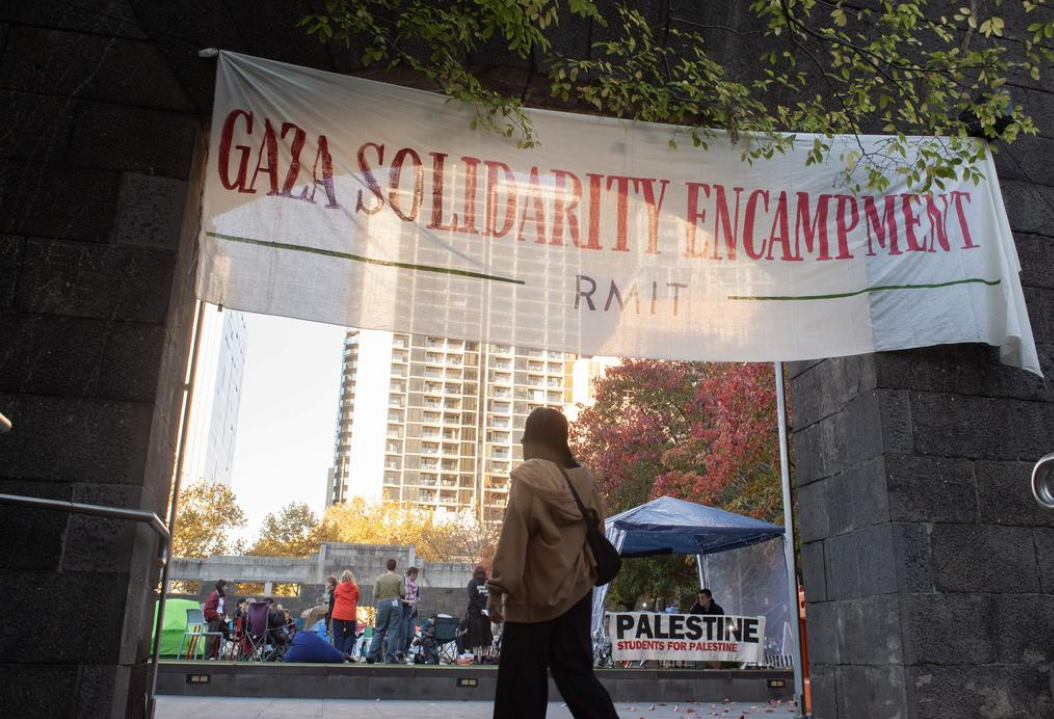
 Nick Everett
People’s Inquiry into Campus Free Speech on Palestine
The recently published final report (download below) of the People’s Inquiry into Campus Free Speech on Palestine provides extensive evidence for what Palestine solidarity activists have argued for nearly three years: Australian universities have systematically suppressed criticism of Israel’s genocide in Gaza and sought to silence opposition to their own complicity in the genocide.
EU, UN and World Bank joint report on the destruction in Gaza
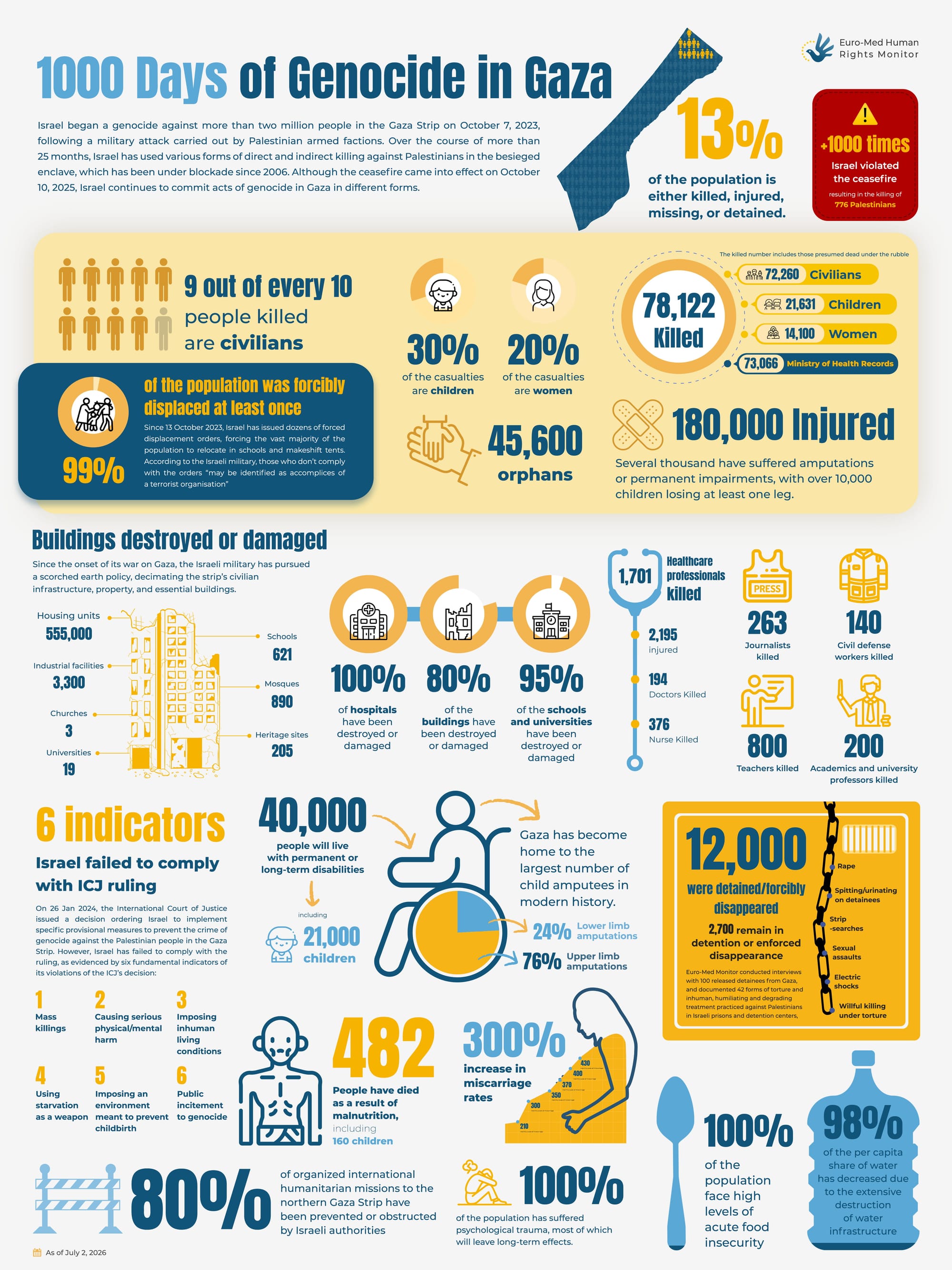
[T]he escalation of conflict in the Gaza Strip has led to an unprecedented loss of life and a catastrophic humanitarian crisis. Over two years of conflict has resulted in more than 71,000 Palestinian fatalities and over 171,000 injured, and many are missing under the rubble. The conflict has led to widespread displacement, extensive damage to social, physical, and productive infrastructure, and plunged the strip into a deep humanitarian crisis ...
Over 1.9 million Palestinians in the Gaza Strip have been internally displaced to locations inside of the Gaza Strip, many of them multiple times over; and over 1.2 million people—almost 60 percent of Gaza Strip’s population—have lost their homes. Extensive damage to water, sanitation, and waste management infrastructure, a lack of critical resources to operate and maintain the remaining infrastructure, and poor hygiene conditions and food insecurity have left the entire population of the Gaza Strip at risk of disease outbreaks.
—From the Gaza Strip rapid damage and needs assessment, April 2026
