Australian politics is at a turning point. One Nation is in a position to form coalition governments in several states and, possibly, even at the federal level. But it’s not just the polling: the party is establishing branches, recruiting wealthy backers and attracting support from every corner of the right, from disaffected Liberals and Nationals to fascists and neo-Nazis. One Nation now reportedly has the largest membership of any political party, with 60,000 to 70,000 recruits nationwide. More are joining every week.
The growth of One Nation has coincided with an extreme concentration of wealth in the hands of a parasitic minority. That’s not a coincidence. And it’s not by accident that Hanson is backed by Gina Rinehart and a growing coterie of wealthy business owners who want nothing more than to become even wealthier at the expense of everyone else. They can see that One Nation would take a wrecking ball to social services while cutting taxes for business owners. They can see that, despite her professed love of country, Hanson wants Australia to be more like America: more dog-eat-dog, more unequal, more of a paradise for corporations and more of a hellhole for workers, with attack after attack on oppressed groups as well.
It’s clear that Hanson and her far-right minions will win a significant and unprecedented share of the vote in upcoming elections—Victoria this November and New South Wales in March 2027. Then there will be a federal election sometime between August 2027 and May 2028, followed by Queensland and the ACT in October 2028.
While it would be a disaster if One Nation formed some sort of coalition government in Victoria or NSW, the re-election of Labor will only further fuel the far right’s growth. To change the equation in the long run, we need a stronger socialist movement. So the key question coming out of upcoming elections will not necessarily be who wins, but how many people the socialist movement can win to our side in the face of Hanson’s far-right tsunami.
The Socialist Party, formed last year, now has more than 6,000 members. It’s a good start, but it’s not enough. With the far right coalescing into a major party with major capitalist backing, the socialist movement needs to build its own party in response. Not only to challenge the far right, but to challenge the status quo politics of all the pro-capitalist parties.
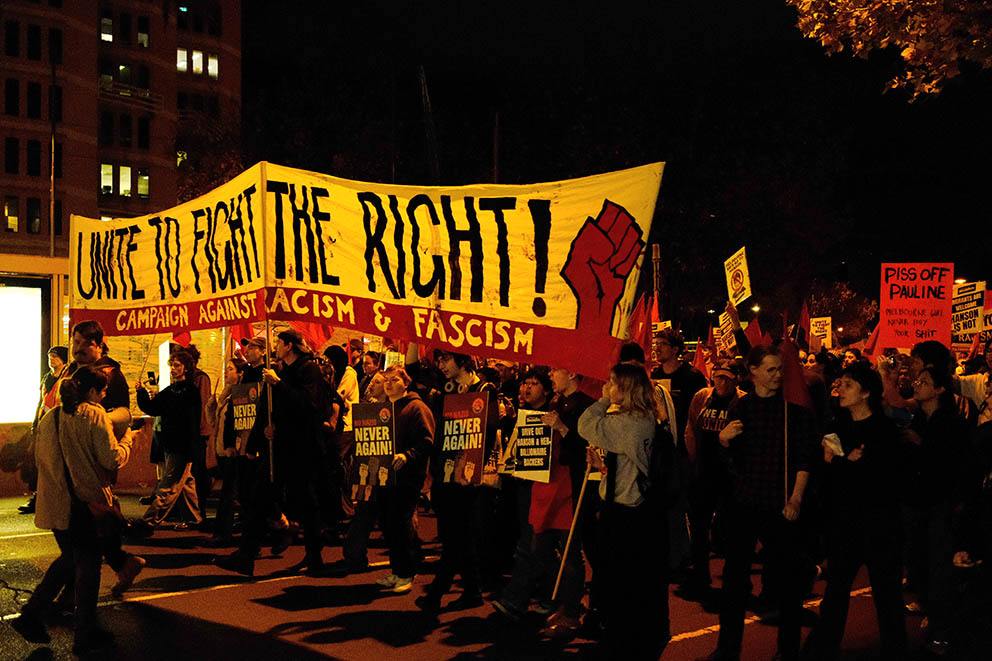
Protest against One Nation in Moonee Ponds, Melbourne, 12 June 2026 CREDIT: Red Flag
Taking on Hanson—and the capitalists
The November Victorian election is shaping up as a decisive poll, with ramifications well beyond the state. The surge in support for One Nation opens the way for Victoria to be governed by a far-right coalition come December. The only real alternative—a fourth term for the current right-wing Labor government—is about as enticing as a reheated Big Mac.
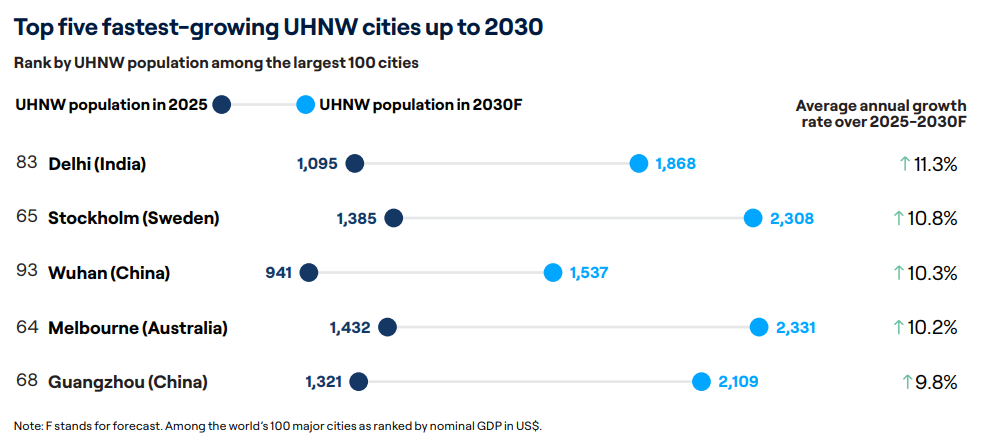
The legacy of four years of a federal Labor government and twelve years of a state Labor government can be neatly summed up in a startling projection in the Altrata World Ultra Wealth Report 2026: between now and 2030, Melbourne is set to become the fourth-fastest-growing city in the world for multi-multi-millionaires. The city’s ultra-high-net-worth population—individuals with more than US$30 million in wealth—is predicted to surge by more than 10 percent per year (what was that about the state going communist under the ALP?):
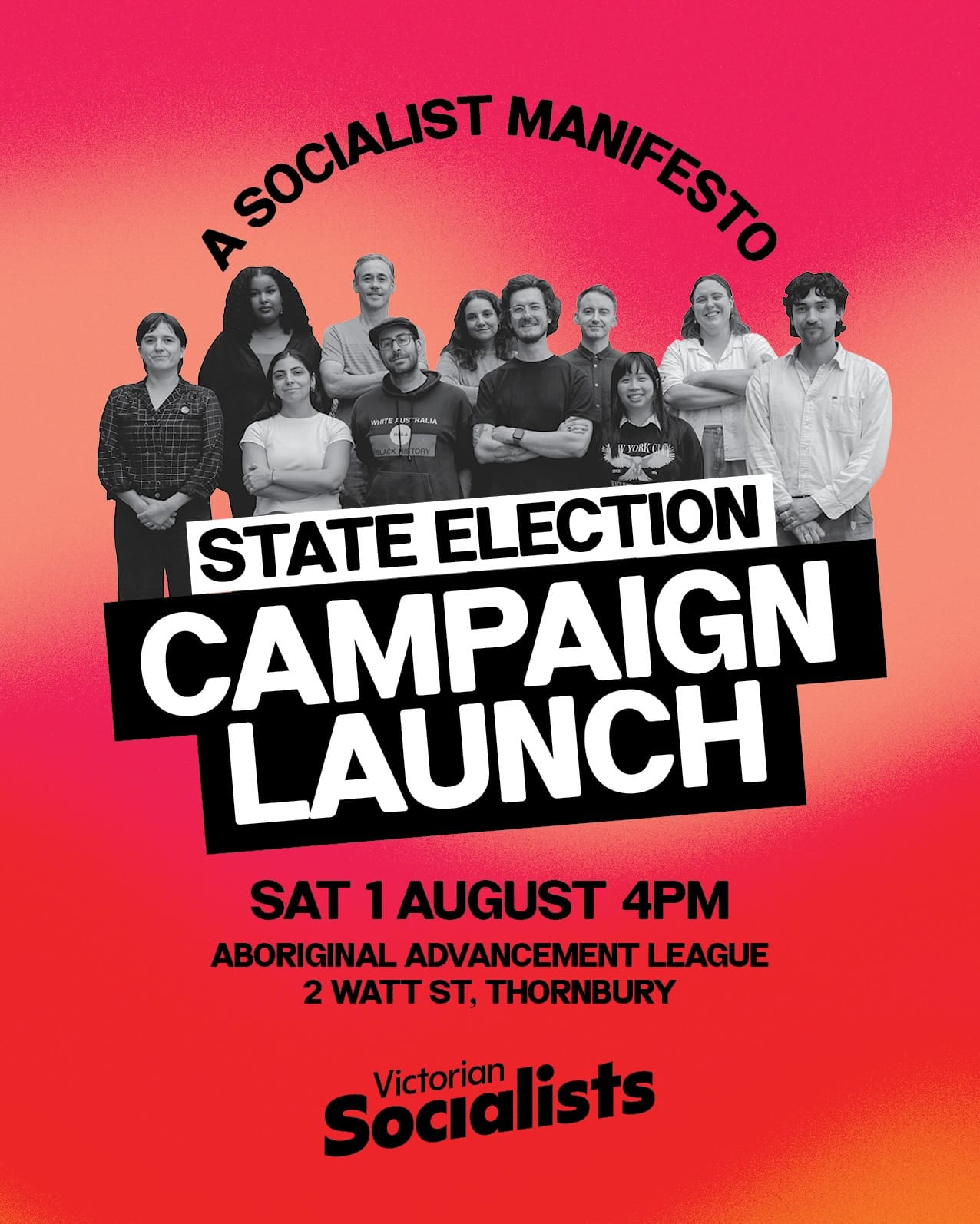
In this volatile situation, Victorian Socialists are planning the most serious election campaign by a left party in decades. They aim to challenge the idea there is no alternative but to choose between the Labor status quo and the far right. Instead, Victorian Socialists want to offer working-class people across the state the chance to vote for a party that doesn’t advocate more of the same, and that equally doesn’t blame migrants or climate science for society’s problems. Victorian Socialists are offering a vision of society in which the interests of working-class people—the great majority—are prioritised over corporate greed and the market.
Come along to the campaign launch
Red Flag’s recent coverage of One Nation
 Omar Hassan
 Ben Hillier
 Nick Everett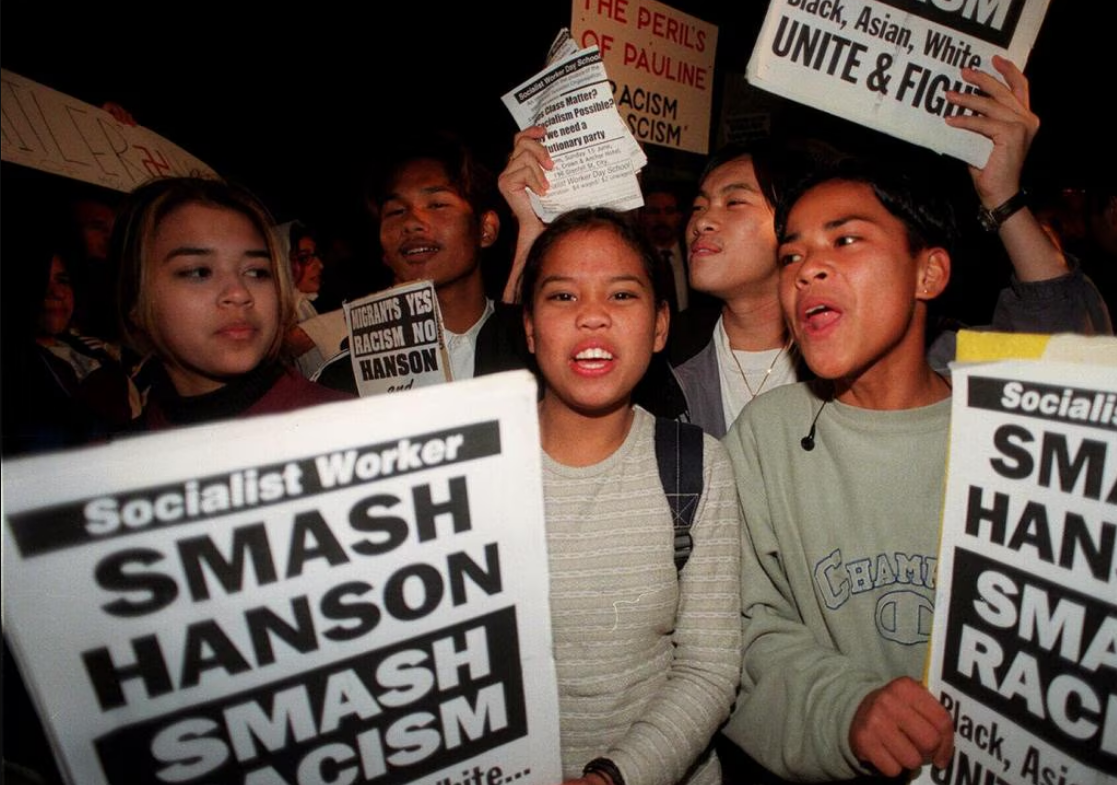
 Editors
 Red Flag Staff